
June 25, 2026
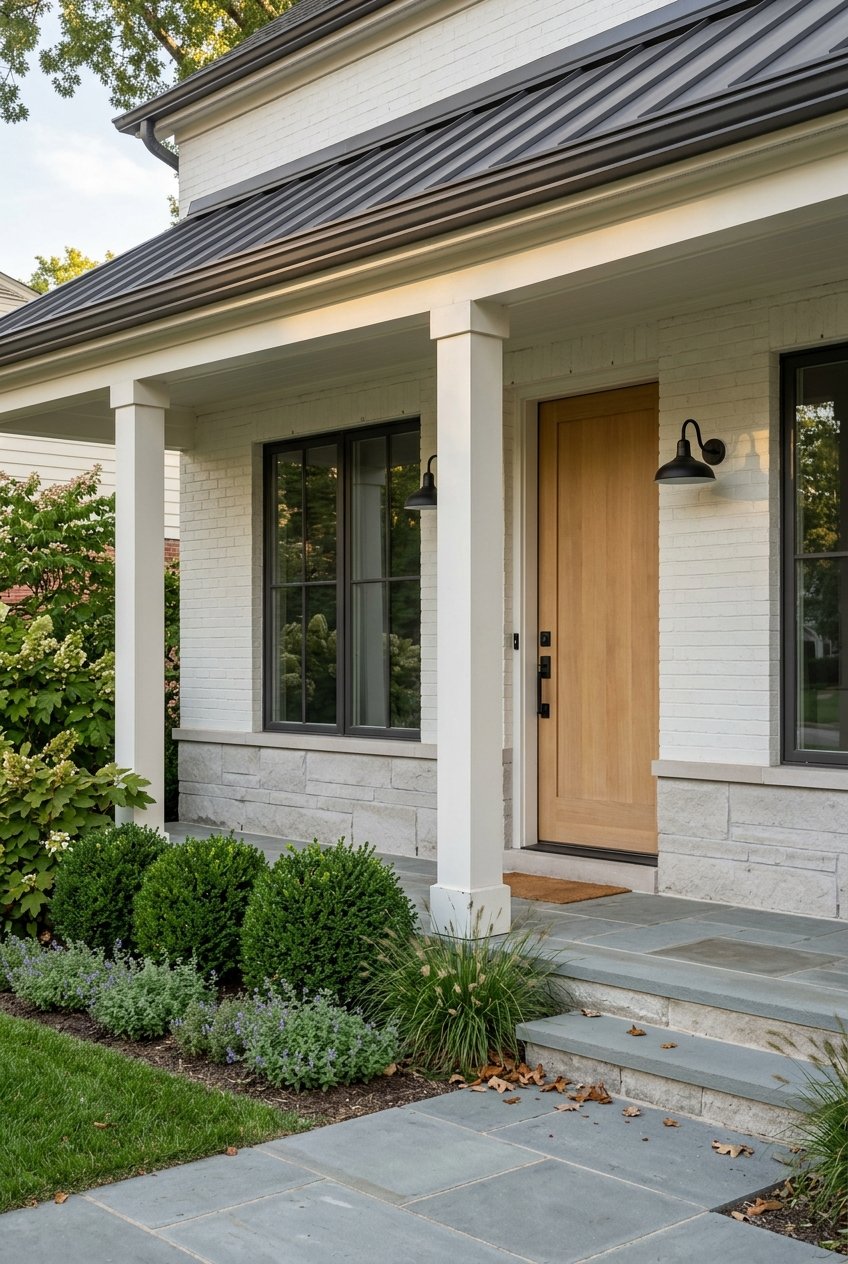
Wondering what kinds of homes you’ll actually find in Manchester, MD? If you are starting your search here, it helps to know that Manchester is less about big, formally named neighborhoods and more about street-by-street personality, lot size, and home age. In this guide, you’ll get a practical look at the home styles, micro-areas, and tradeoffs that matter most so you can narrow your search with more confidence. Let’s dive in.
Manchester is a compact Carroll County town with roughly 5,400 residents in about 2.4 square miles. That small footprint means your experience can change quickly from one street to the next, especially as lot sizes, zoning, and home age shift across town.
The town is also shaped by its role as a Route 30 commuter community. Manchester’s official history describes a quaint small downtown with a mix of older housing and newer development, and current census data show a mean commute time of 32.7 minutes.
For many buyers, that creates a clear tradeoff. You may be able to get more space and a small-town setting, while still keeping access to places like Westminster, Hampstead, Hanover, and parts of Baltimore County.
Manchester is mostly a single-unit housing market. Maryland ACS data show 78.6% of housing units are 1-unit detached and 13.6% are 1-unit attached, which means roughly 9 in 10 homes are single-unit properties.
That matters if you want a traditional residential feel. In Manchester, your search will often center on detached homes, attached homes like townhome-style properties, and a smaller share of multifamily options.
One of Manchester’s biggest strengths is its range of housing ages. About 13.1% of homes were built in 1939 or earlier, while meaningful shares were built in the 1980s, 1990s, 2000s, and 2010s.
That gives you real variety. You can look for older homes with more character, mid-age homes with familiar suburban layouts, or newer homes that may offer a more turnkey feel.
Manchester housing leans practical rather than compact. ACS data show 36.8% of homes have 3 bedrooms, 30.8% have 4 bedrooms, and 6.2% have 5 or more bedrooms, with a median of 7.3 rooms.
If you need extra bedrooms, flexible living space, or a more comfortable footprint, Manchester may line up well with your goals. This is not a market defined by tiny lots and small units.
Because Manchester is small, the most useful way to think about neighborhoods is through practical micro-areas instead of formal neighborhood names. The town zoning map points to a helpful pattern: some areas feel more in-town and historic, some feel more subdivision-style, and some sit closer to the edges with larger-lot appeal.
The in-town cluster includes streets such as Main St, York St, Water St, Church St, Victory St, Oak St, Locust St, New St, High St, Beaver St, Park Ave, and Maple Ave. These streets connect most closely with Manchester’s older downtown fabric and civic core.
If you like older-home character and a more traditional in-town setting, this area may be worth a close look. You may also find a stronger sense of housing age variety here compared with newer pockets of town.
This part of Manchester can appeal to buyers who want details that are harder to find in newer homes. Depending on the property, that may include older floorplans, mature lots, and homes built in earlier eras.
That said, character often comes with more homework. Older homes can bring more maintenance questions, and exterior renovation plans may need extra review depending on the parcel.
If you are considering an older property, check whether it falls within the Historic District Overlay. Carroll County says properties in that overlay need work permits for exterior changes visible from a public road, including items like siding, windows, fences, and tree work.
This does not mean you should avoid these homes. It simply means you should verify the property details early if future exterior updates are part of your plan.
Another useful search bucket includes streets such as Hallie Ave, Kensington Sq, Brightside Dr, Nevada Dr, Kensington Dr, Vistas Dr, Washington Way, and Chauncey H. Lil Dr. Based on the street pattern and zoning map, these areas read more like planned subdivision-style residential sections.
For many buyers, this kind of layout feels more familiar and predictable. Homes and lots may follow a more consistent pattern, which can make comparison shopping easier when you are balancing price, size, and condition.
If you prefer a more conventional suburban setup, these streets may be a strong match. Buyers often gravitate to this kind of area when they want less uncertainty around home age, lot shape, and layout expectations.
This can also be helpful if you are comparing resale options and want a simpler process for evaluating value. Similar street patterns and home styles can make side-by-side decisions feel more straightforward.
Manchester’s outer edges include streets and corridors such as Lineboro Rd, Leese Farm Rd, Millers Station Rd, North Carroll Ln, Hanover Pike, Cape Horn Rd, Ebbvale Rd, Old Manchester Rd, Grafton St, Swiper Rd, Westminster St, and Old Fort Schoolhouse Rd. These areas tend to be the best fit for buyers looking for more yard, privacy, or a more rural-feeling setting.
The zoning map supports that space-oriented read, with residential districts ranging up to larger-lot categories. If outdoor space is a top priority, this is an important part of your search.
These edge areas may work well if you want more separation between homes or more flexibility in how you use your yard. They can also appeal to buyers who are comfortable trading a more central in-town location for additional space.
If you are drawn to outdoor projects, storage needs, or expanded backyard use, these corridors deserve a closer look. Just make sure your wish list fits local property rules.
Manchester’s town regulations set limits on accessory structures. Accessory buildings must sit behind the front building line and at least 5 feet from side and rear property lines.
There are also rear-yard coverage caps by district. In R-40,000, R-20,000, and R-15,000 districts, accessory buildings may not cover more than 50% of the rear yard, while in R-10,000 and R-7,500 districts, they may cover up to 75% of the rear yard, subject to other town limits.
That means a large yard does not automatically equal unlimited expansion. If you are thinking about a shed, pool, or bigger backyard setup, review the specific district before you buy.
One of the biggest choices in Manchester is whether you want a more central location or a more spacious edge-of-town feel. In-town streets may offer older housing and a closer connection to the downtown core, while edge areas may offer larger lots and a quieter, more open feel.
Neither is better across the board. It depends on whether your daily life leans more toward convenience, character, or outdoor space.
Older homes can offer charm and a more established setting, but they may also require closer review for updates and future projects. Newer or subdivision-style homes may offer a more predictable condition profile and layout.
If you are deciding between the two, think about how much project tolerance you have. A home that looks perfect on paper still needs to match your timeline, budget, and comfort level with upkeep.
Manchester’s location continues to attract people who want a small-town setting while staying connected to surrounding job centers. Route 30 is a major part of that story, and the town identifies it as a trucking and commuter corridor linking Hanover, Pennsylvania and Baltimore County.
If commuting is part of your routine, Manchester may be a fit if you are comfortable making that trade. The town’s current mean commute time of 32.7 minutes helps set expectations.
Manchester is a strongly owner-occupied market. U.S. Census QuickFacts lists an owner-occupied housing rate of 83.5% for 2020 to 2024, while the Maryland 2020 Census profile shows 81.5% owner-occupied units.
That tends to support a more stability-oriented feel. It can also shape what you see on the market, since owner-occupied towns often have fewer rental-style options than more densely leased markets.
If you are thinking about future rental use, there is also a local rule to know. Manchester requires a valid rental housing license before any unit is offered for rent.
If you are touring Manchester, it helps to start with three simple questions:
Those answers can quickly point you toward the right streets and help you avoid wasted time. In a town this compact, the best search strategy is often very specific.
If you want practical guidance on comparing streets, lot types, or renovation potential in Manchester, Barb Herndon can help you make sense of the options and move forward with confidence.
Discover our newest updates, insights, and resources designed to keep you informed.

Whether you’re buying, selling, or exploring your options, The Cornerstone Agency is here to guide you with expert advice and responsive service. Reach out today and let’s start building your next move together.