
June 18, 2026
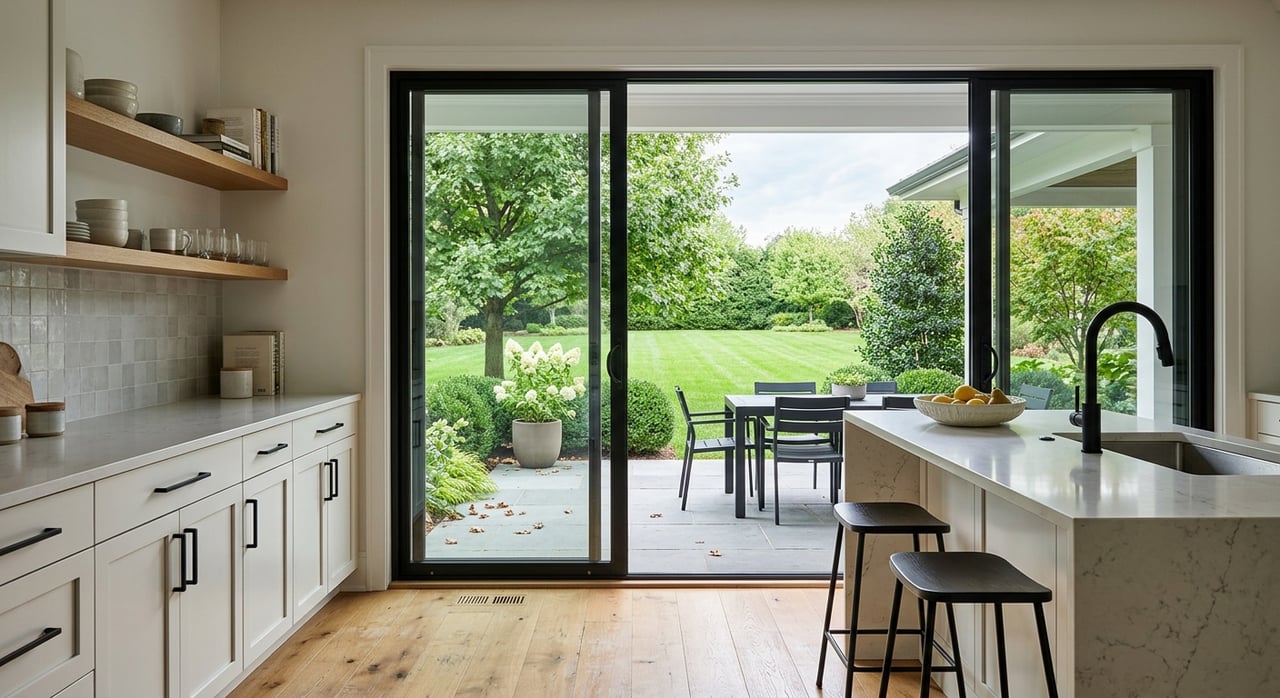
If you are trying to picture daily life in Hampstead, it helps to think beyond listings and square footage. What does a normal Tuesday look like? Where do you run errands, get outside, and settle into a routine that feels manageable? That is exactly what this guide covers, so you can get a clearer feel for how Hampstead works day to day. Let’s dive in.
Hampstead feels built for regular routines instead of constant pass-through traffic. Town officials note that the Hampstead Bypass moved much of the through traffic away from Main Street in 2009, which helps explain why the pace today feels more local and stop-based.
That everyday rhythm shows up in small but important ways. The town handles curbside trash and recycling on Tuesdays or Wednesdays depending on route, and residents also have three bulk trash pickup days each year. Those simple municipal services can make settling into a home feel more straightforward.
The town also has a strong pattern of staying connected. Recent ACS estimates show that 95.6% of residents lived in the same house a year earlier, while 98.6% of households report a computer and 96.6% report broadband. Taken together, that suggests a stable community where home, work, school, and online routines often happen in the same place.
One of Hampstead’s biggest advantages is how many park options are built for regular use, not just special outings. Whether you want a quick playground stop, a walking loop, or a place to stretch out on a weekend, the town offers several practical choices.
Chief Sites Memorial Park includes a playground, walking path, picnic tables, and a skatepark area. Panther Park adds two ball diamonds, a multipurpose field, pavilion, picnic area, restrooms, volleyball courts, an interactive game wall, and a 3/4-mile walking trail.
Other town parks round out the mix. Lions Club Park has pavilions, a playground, and ball fields. Melvin Miller Memorial Park includes tennis, pickleball, and an all-purpose court, while Oden Kemp Town Center Park offers a full basketball court and playground equipment. Sugar Maple Park adds an obstacle-course-style play area and swings.
If you like having a few extra options in your weekly routine, Hampstead offers that too. North Carroll Community Pond includes picnic tables, a playground, a fishing pond, and seasonal ice skating when conditions allow. Main Street War Memorial Park also serves as a downtown outdoor event space.
For larger-scale recreation, Leister Park offers disc golf, and Oakmont Green is a public 18-hole PGA course. The restored Hampstead Train Station adds a different kind of outing, serving as a museum and visitor center open on Saturdays from late May through late October, with additional visits by appointment.
For many buyers, everyday convenience matters just as much as the house itself. Hampstead’s business pattern supports that well, with activity concentrated downtown, along MD 30, and near the north end of town. The town’s comprehensive plan also identifies newer commercial centers such as Roberts Field Shopping Center, North Carroll Plaza, and Hampstead Marketplace.
The business directory shows a practical mix of daily-use stops. In town, you can find places such as Family Pharmacy, Rocco’s Market & Deli, Fika Coffee Bar, JJ Hoffman’s Creamery, Little G’s Diner, LunaZul Mexican Scratch Kitchen, Roggenart European Bakery, M&T Bank, True Value Carroll County, Jiffy Mart, Matthews Tag & Title Service, and Towne Pride Interiors.
That mix matters because it supports the errands that fill up real life. Coffee, lunch, pharmacy needs, hardware runs, banking, home-related shopping, and quick food stops are all part of how a town functions for residents, not just visitors.
A town feels different when it has recurring events that shape the year. In Hampstead, town leadership points to traditions such as Hampstead Day and the annual holiday lighting ceremony. Those events give the calendar a familiar rhythm beyond workdays and errands.
The North Carroll Library also plays a role in daily life. Serving Hampstead and Manchester, it offers internet access, story times, a summer reading club, and reading and research support. For many households, a library is not just a resource. It becomes part of the weekly routine.
The housing stock in Hampstead lines up closely with the lifestyle many buyers picture when they think about settling in for a while. According to the 2020-2024 ACS profile, the town has 2,829 housing units, and 96.5% are occupied. Of those occupied homes, 80.3% are owner-occupied.
The housing mix also leans heavily toward low-rise residential living. Detached single-family homes account for 61.1% of all units, and another 18.7% are single-family attached. That gives the town a residential pattern that feels consistent with longer-term homeownership.
Home size is another part of the story. The median unit has 6.5 rooms, 46.2% of homes have 3 bedrooms, and 21.8% have 4 bedrooms. For buyers comparing options in Carroll County, that points to homes generally sized for full-time living rather than short-term turnover.
A large share of Hampstead homes came online in the late 20th century and early 2000s. ACS data show that 40.0% of units were built from 1990 to 1999, 15.1% from 2000 to 2009, and 13.2% from 1980 to 1989. Another 10.1% were built before 1939.
That range creates a mix of housing styles and maintenance expectations. Some buyers may prefer a later-20th-century layout, while others may be drawn to older homes with character. Either way, it helps to know that Hampstead offers a mix rather than a one-note housing stock.
The median owner-occupied home value is $333,000, and 84.3% of owner-occupied homes have a mortgage. For buyers and sellers alike, that gives useful context for understanding the town’s residential market and the long-term nature of ownership here.
Some towns are all about destination shopping or major entertainment. Hampstead feels more grounded in the basics of everyday life. You have residential neighborhoods, practical commercial corridors, community parks, and recurring local events that help structure the week and the year.
That can be especially appealing if you want a place where your routines feel easier to manage. Running errands close to home, having multiple park choices, using the library, and living in a community with strong owner occupancy all contribute to that feeling.
Household data adds to that picture. ACS estimates show an average household size of 2.29, with 48.9% married-couple households, 25.0% of households including at least one person under 18, and 27.4% including someone 65 or older. Those numbers suggest a town that supports a wide range of life stages within a stable residential setting.
If you are buying in Hampstead, daily livability should be part of your search, not just price and bedroom count. A home may look great online, but the real test is how it fits your weekly routine. Think about park access, errands, commuting patterns, and the kind of neighborhood setting that helps you feel at home.
If you are selling, these same everyday details can help shape how your property is positioned. Buyers are often looking for more than finishes and features. They also want to understand what life feels like once the moving boxes are gone.
That is where local guidance matters. When you understand not only the home, but also how Hampstead functions block by block and routine by routine, it becomes easier to make a confident move.
If you are thinking about buying or selling in Hampstead, Barb Herndon can help you make sense of the market with clear guidance, responsive communication, and local insight.
Discover our newest updates, insights, and resources designed to keep you informed.

Whether you’re buying, selling, or exploring your options, The Cornerstone Agency is here to guide you with expert advice and responsive service. Reach out today and let’s start building your next move together.