Adding a fresh coat of paint is one of the cheapest and easiest ways to give your home the makeover it deserves. It breathes new life into your space, no matter if you're painting the interior or exterior of your home.
Whether you are a typical homeowner who wants to refresh your space or a seller who’s preparing your home for sale, who wants to get rid of those mustard-yellow walls to give way to neutral colors that will suit the taste of most buyers, chances are you want to go the DIY route to save some money. Besides, there’s something more rewarding about doing it on your own.
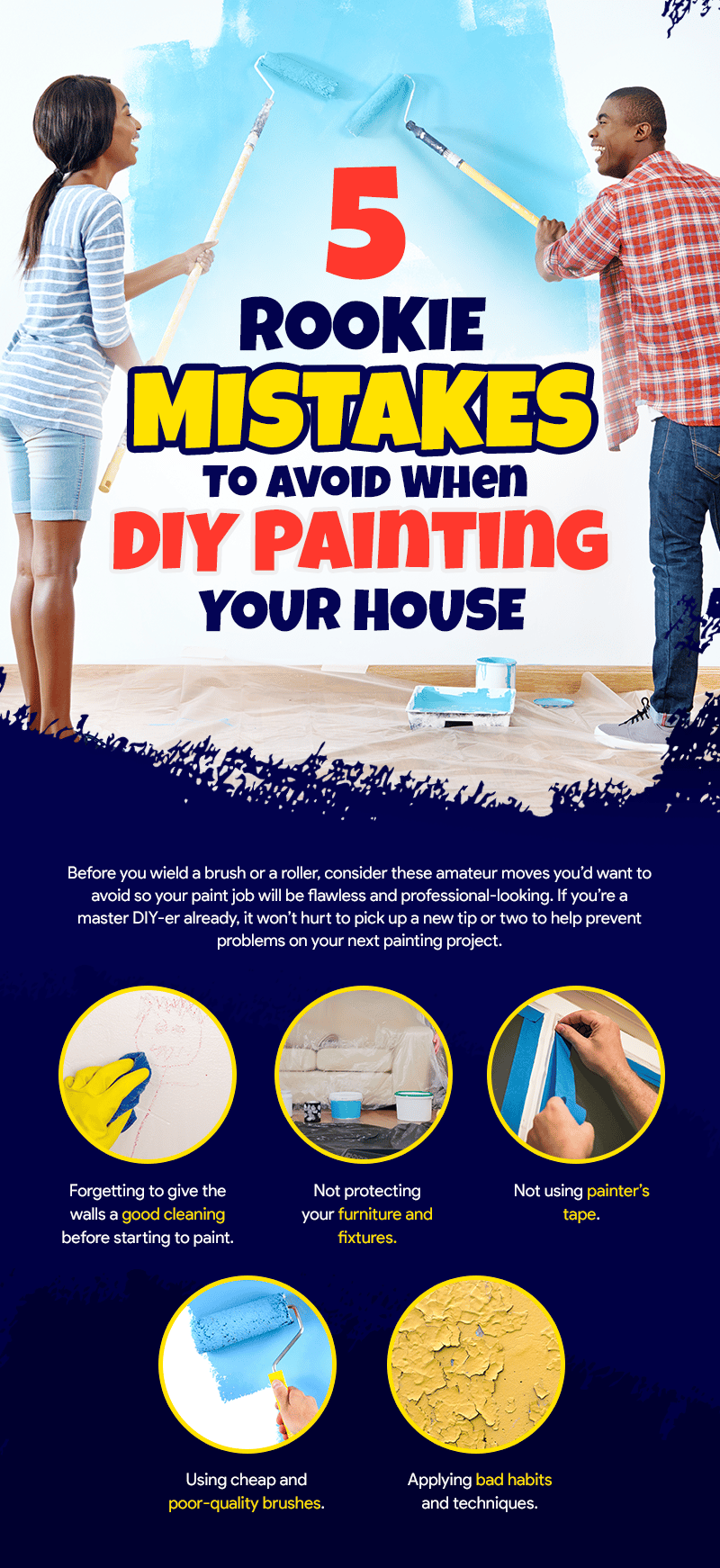
But before you wield a brush or a roller, consider these amateur moves you'd want to avoid so your paint job will be flawless and professional-looking. If you’re a master DIY-er already, it won’t hurt to pick up a new tip or two to help prevent problems on your next painting project.
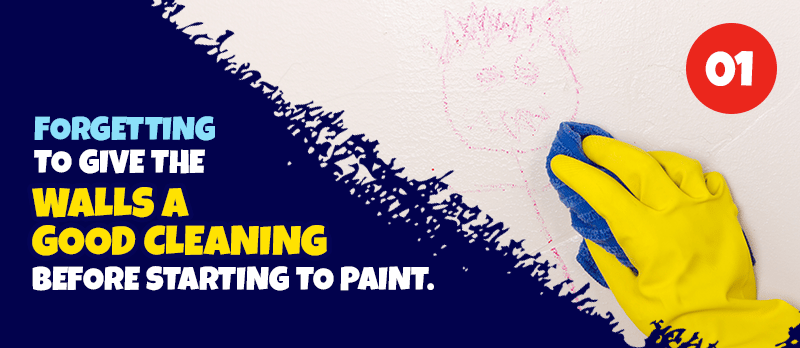
Many eager and impatient homeowners often forget what could be the most important process in any painting job: cleaning and preparing the walls before starting. They're excited to jump right into the project to see the new colors they picked for their walls. But not preparing your painting surface properly is usually the biggest difference between DIY and professional projects. And while each paint job is different and requires varying preparations, your primary goal is to have a clean, dry, and smooth surface before rolling your paint onto it.
So go the extra mile to ensure your painting surface is fully prepared. Because even though your walls and surfaces appear to be in good condition and don’t look like they need cleaning, they usually house plenty of dust, dirt, and grime, which can result in uneven paint spots or paint that chips and peels off easily.
If you’re painting interior walls, use a duster to get rid of dust and any cobwebs. Examine the walls and scrape away any old, chipping paint, then sand down any rough edges. Wipe down the surface using a rag or washcloth dampened in a mixture of mild detergent (or any residue-free cleaner) and warm water to remove lingering dirt and debris. For exterior walls, power washing will be more efficient and effective. In addition to cleaning, don’t forget to also consider the quality of the surface you’re looking to paint.
Doing these vital surface preparations will make sure that the painting job will provide a desirable outcome. Besides, even if you hire professionals to do the job, doing some of the prep work yourself can save you money and ensure the perfect results you’re hoping for.
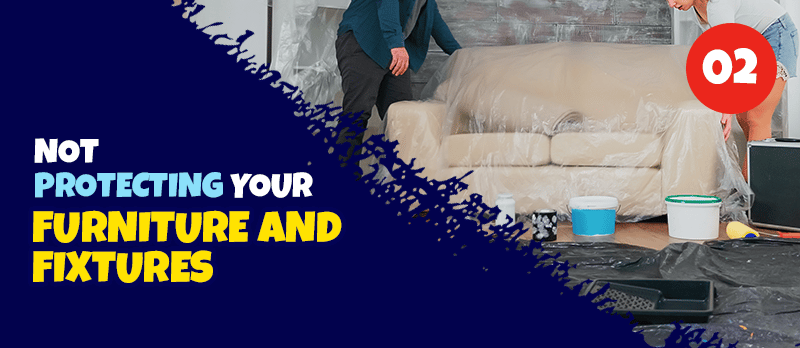
Don't even try opening your first can of paint without making sure that your floors, furniture, and other fixtures are covered. It’s extra work, yes, but it can save you from a lot of headaches and time-consuming cleanup in the end. If you’re doing an interior painting project, move all furniture and cover the floors with drop cloths. Also, cover the doorknobs and other fixtures to protect them against spills and drips. If you’re painting any exterior part of the house, use drop cloths to protect your grass, plants, and other items that can’t be moved out of the way.
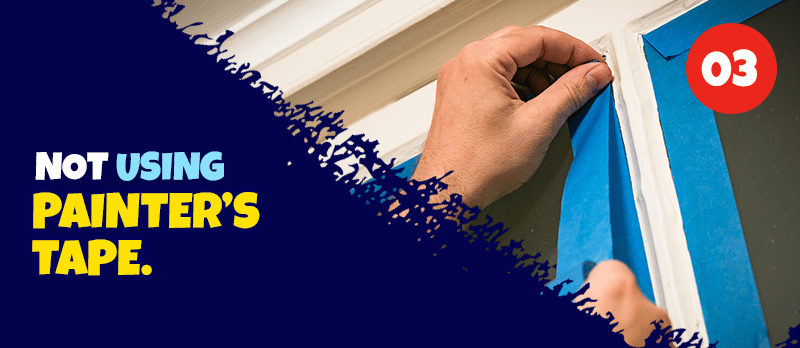
Many people choose to skip using tape because it takes time and effort to apply. But taping around the edges ensures you'll have sharp, clean lines and a polished finish. Don’t skip this task especially if you want to achieve professional-looking results.
But remember as well that not just any tape will do—you need to invest in painter’s tape, which is specially designed for the job and won’t leave residue behind. Just make sure to remove the tape before the paint dries completely, ideally an hour after you’ve finished painting, to avoid the dried paint from peeling off.
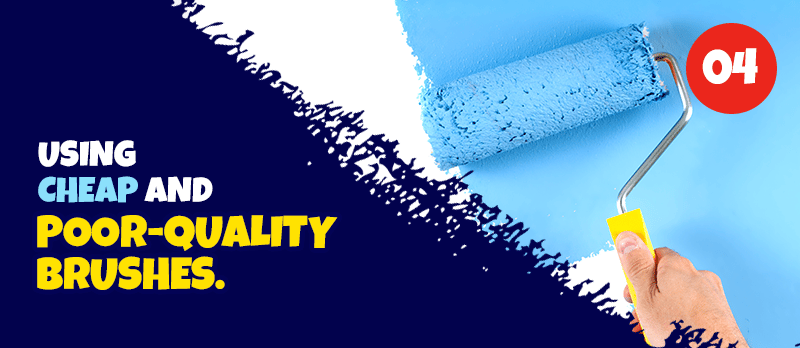
No matter your skill level when starting a paint job, using high-quality tools—paint brushes, rollers, spray paints—is critical to a good paint application. They may be costly, but it's worth the investment to buy the best type of brush that suits the surface you’re painting and the type of paint you’re using. Your paint will apply better and quicker and your brushes won’t leave loose bristles and patchy areas behind, giving your home the professional look you want to achieve.
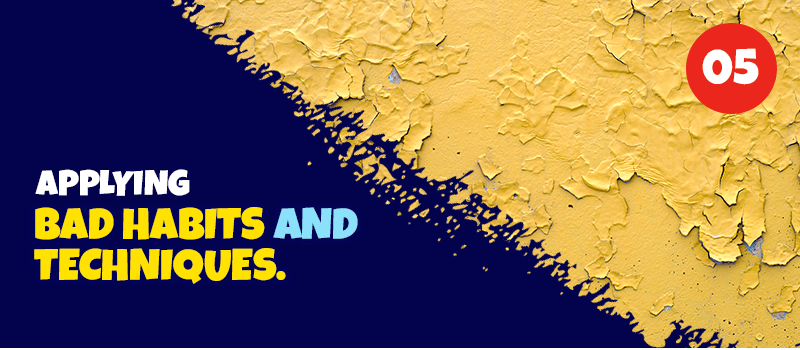
Having experience is extremely helpful when aiming for a perfect finish. However, you can also increase your chances of getting great results by avoiding these bad habits and techniques as much as possible when painting any part of your home.
- Don't dunk your brush completely into the can. Instead, just dip the top third of the brush in the paint. This way, you’ll get enough paint on your brush without wasting or pushing the paint deep into the bristles, which will make it more difficult to clean.
- Avoid over-brushing. Especially when painting woodwork, doors, or cabinets, too much brushwork will cause unsightly brush marks and ridges.
- Avoid leaving the lid off the paint can. After pouring out some paint, remember to always close the lid immediately to keep the paint from drying out and to avoid paint crud from forming on the lid. This will also prevent anyone from stepping on the lids or accidentally spilling the opened cans, which is another hassle to clean up.
- Don’t add your second coat too quickly. Be sure to wait long enough for the first coat of paint to dry before applying the second coat (which can be anywhere from one to 48 hours depending on the type of paint). Check the paint can label to see instructions regarding drying time between coats. Because the second coat is delicate, applying it too quickly can result in peeling paint or visible brush strokes, completely ruining how the finished project looks.